
Rance Daniels: Rice, Resilience and the Next Generation
In the Southeast Missouri Delta near Rives and Hornersville, Daniels Farms grows rice and soybeans. Third generation farmer Rance Daniels, and his wife, Robin, farm in Agri-Ready Designated Dunklin County. As an active leader in the rice industry, Rance shares the story of agriculture, the importance of rice production, and represents the farmers behind the crop.
Rance returned to the family farm with a degree from Arkansas State University in 1996 to grow soybeans and cotton. Market conditions of the 1990s allowed the family to transition into rice production.
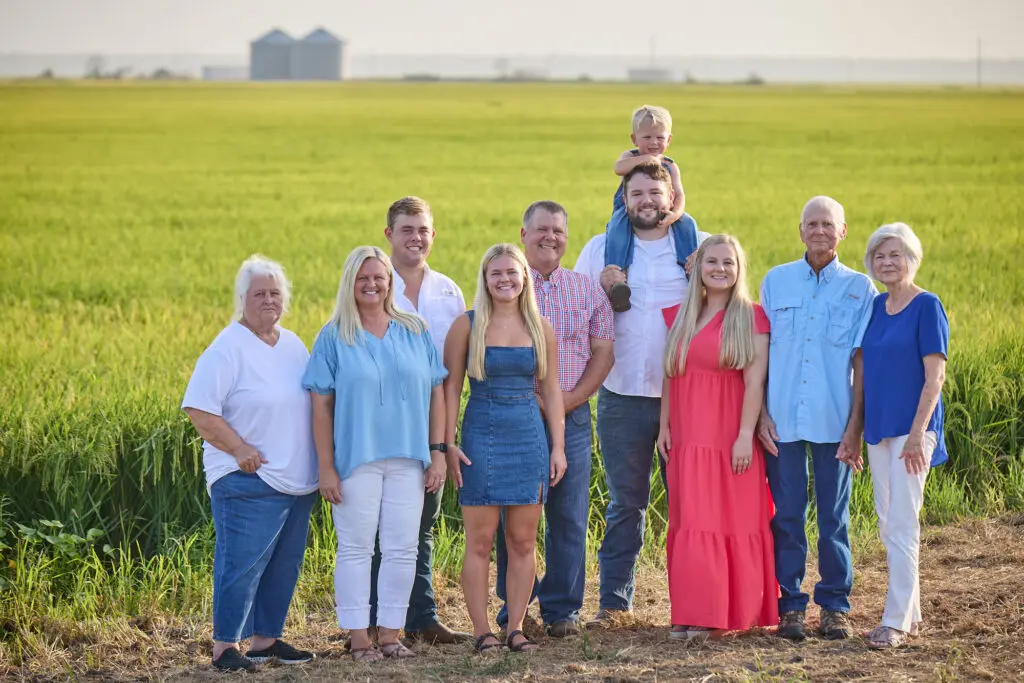
Farming in the 1990s
The 1996 Farm Bill gave producers greater flexibility in what they could plant. In Missouri’s Bootheel, level ground and suitable soil types created opportunities to expand rice production. As land in the area changed hands and more acres were graded for rice, Daniels Farms began expanding rapidly, almost doubling production acres each year.
“Without rice, we wouldn’t be farming anymore,” Rance says. “It gave us an opportunity to keep the farm going, grow the operation, and continue what my family had started.”
Growing Rice in the Bootheel
Rice farming in Missouri begins in early spring and stretches into the end of summer. Planting typically begins around the first of April. Daniels Farms uses no-till practices behind soybeans or a previous rice crop, followed by a burndown and residual herbicide applications.
By mid-May, the rice fields are typically under a permanent flood that goes through the middle of August. Water plays an important role in rice production, both for growing the crop and managing weeds. Fields generally carry two to four inches of water. Approximately the first part of August, the fields begin to drain with harvest following around Labor Day.
Daniels grows long-grain rice, which makes up about 96% of Missouri’s rice production. It is a familiar staple in dishes such as Mexican rice, but many consumers may not realize it is grown in their own state.
Putting a Face to Missouri Rice
For Rance, advocacy starts with a simple goal: helping people understand that rice is grown right here in Missouri.
“Many people don’t know rice is grown in America, let alone Missouri,” Rance says.
A lack of consumer awareness is one reason Rance advocates for the rice industry. He serves as chairman of the Missouri Rice Research and Merchandising Council, working with other producers on research, checkoff funds and promotion of the state’s rice industry.
Rance’s involvement also extends nationally through USA Rice. As a participant in the organization’s leadership program in 2012, he gained a broader understanding of the industry, including processing, marketing and policy. Today, he serves as vice chair of the USA Rice Farmers Board, giving him opportunities to work with industry leaders and policymakers.
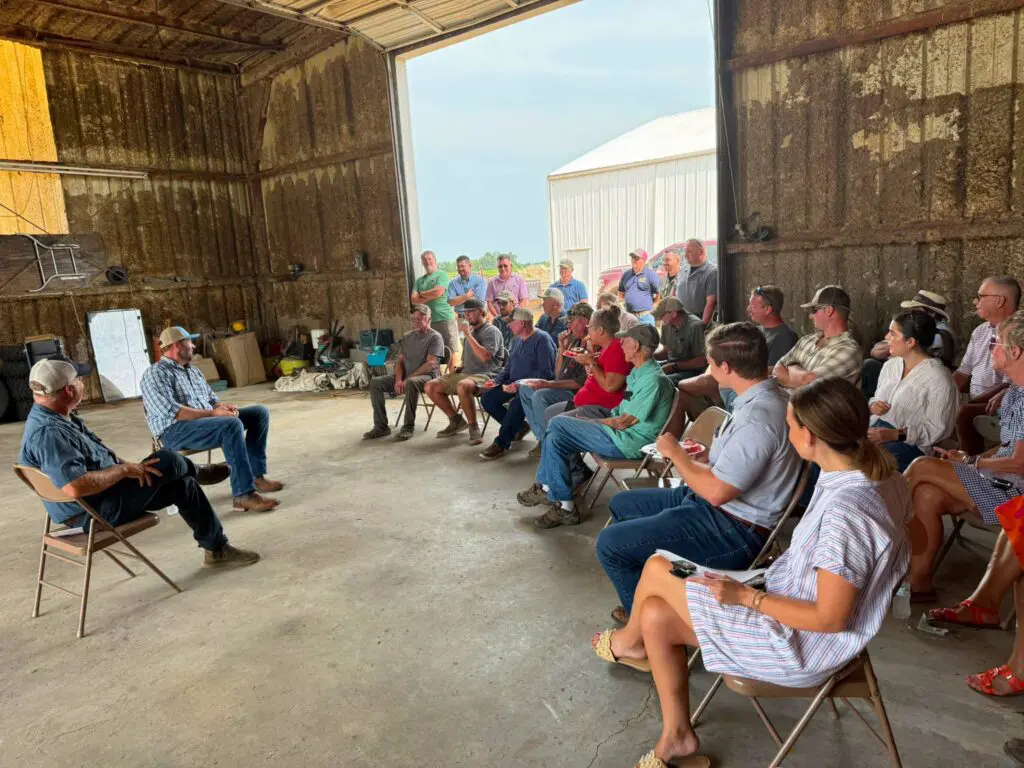
Advocacy is especially important as farmers face rising input and diesel costs, trade challenges and tight margins. Rance says rice production can currently cost around $1,300 per acre, while market prices may fall hundreds of dollars short of covering these costs. With roughly half of U.S. rice production exported, trade remains vital to the industry.
For Rance, part of addressing those challenges is helping consumers better understand the farmers behind their food.
“Every farmer has a story to share,” Rance says. “People want to know where their food comes from and who is growing it.”
Conservation in the Rice Fields
For Rance, sharing the story of rice also means highlighting conservation. Flooded rice fields provide habitat for ducks, geese and other wildlife, creating an intersection between agriculture and conservation. Rance believes it is important to share that conservation is not a new concept, but a part of the responsibility farmers have always felt to care for the land and resources they depend on.
His work with USA Rice and Ducks Unlimited shares this message around the role rice farmers have in providing habitat. The partnership connects agriculture and conservation and gives Rance opportunities to share that message with lawmakers, buyers, and others who may not recognize the value of a flooded rice field beyond crop production.
Rice production continues to evolve as farmers look for ways to use water and other resources ever more efficiently. Practices like row rice, winter flooding, and automation have a continued focus on stewardship.
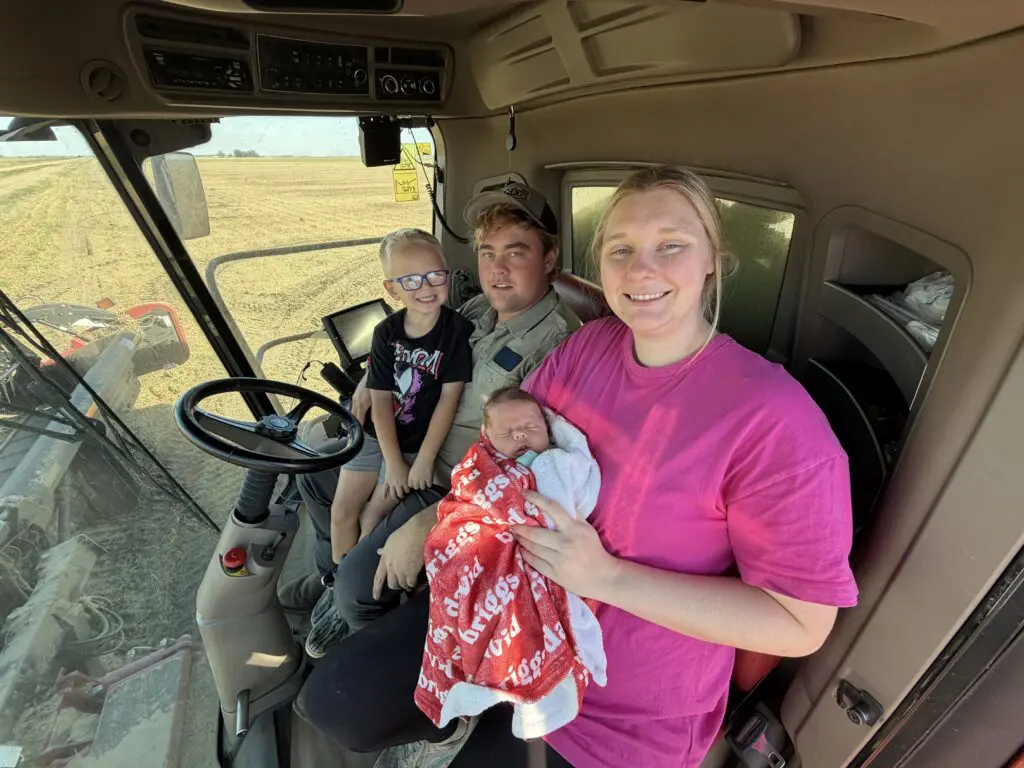
Five Generations Deep
The Daniels family has been in southeast Missouri since the 1940s. When Rance represents rice farmers off the farm, the work at Daniels Farms continues.
Rance and Robin have three children — Taylor, Chase, and Emma. Chase has returned to the farm and is involved with daily operations, managing about 1,100 acres of land that he farms.
The next generation is already beginning to take shape. Rance and Robin have two grandchildren, marking the fifth generation in the family’s agricultural story.
Rance saw opportunity in growing rice, raising a family, and preparing the next generation to carry the story of rice forward. Passing down a farm means more than transferring land and equipment. It means teaching the next generation to make sound decisions, manage risk, care for the land, and persevere through difficult seasons.
This same mindset shapes Rance’s work on behalf of Missouri rice producers, whether he is meeting with policymakers or sharing their conservation story. By helping people understand the value of rice production today, Rance is advocating for an industry he believes has a place in Missouri’s agricultural future for generations to come – and ensuring his family’s story continues with it.
Rance Daniels is a member of the Missouri Rice Research and Merchandising Council, a partner of Missouri Farmers Care. Check out this link to find out more about our partnerships: https://mofarmerscare.com/power-of-partnership/
Agriculture, agri-food, forestry and related industries play a significant role in Agri-Ready Designated Dunklin County, contributing an estimated $251.2 million in value-added products and $507.1 million in total economic output. The industry supports 3,316 jobs and generates approximately $245.4 million in household income for families throughout the county. Crops account for 30.2% of the county’s total value-added economic activity.